

Massage Chair
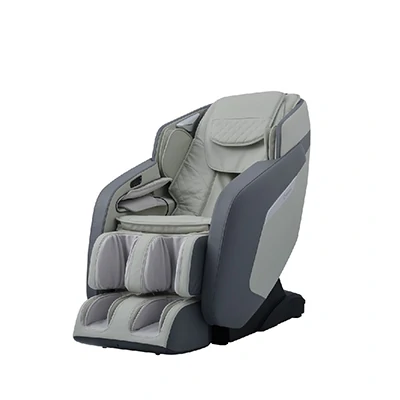
A massage chair is an intelligent device that simulates manual massage. It drives the massage head or roller through the built-in motor to achieve massage of different parts of the human body.
Its core functions include:
Multiple massage modes: It provides a variety of massage techniques such as kneading, tapping, and massage to meet the needs of different users.
Intelligent control: Through the control panel or mobile phone application, users can adjust the massage intensity, speed and part.
Ergonomic design: The shape and functional design of the massage chair conform to ergonomics to ensure the massage effect and comfort.
Automatic program: Preset a variety of massage programs, such as full body massage, shoulder relaxation, waist relief, etc.
How our motor works on the product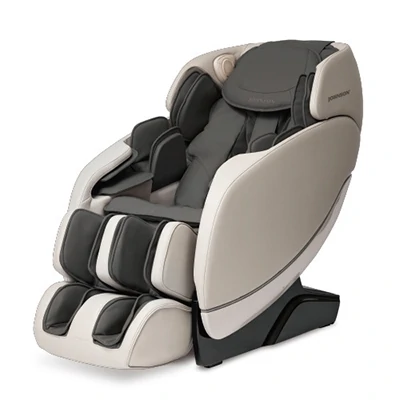
Dongming motor is mainly responsible for driving the massage head, roller or vibration system in the massage chair to simulate the massage action. Its specific functions include:
Driving the massage head: The motor is decelerated through the gearbox to provide a stable speed and torque to drive the massage head to rotate and move.
Controlling the massage intensity: The speed and torque of the motor can be adjusted according to the user’s settings to control the intensity of the massage.
Achieve a variety of massage techniques: Through different motor combinations and control programs, a variety of massage techniques such as kneading, tapping, and massage can be achieved.
Below: the engineering behind this application, and which of our frames cover it.
The massage chair is a comfort product judged by two motor behaviours
A massage chair sells on how it feels, and two motor behaviours dominate that impression: how smoothly the back mechanism moves under load, and how little noise the recline actuator makes when the user is already relaxed. Both are harder on the motor than the specification sheet suggests, because both run at low speed with a person’s weight on the mechanism.
There is also a third duty that is easy to forget during design and expensive to fix later: the legrest and the zero-gravity recline have to hold position for twenty minutes or more with a heavy user, without drawing current and without creeping.
The recline actuator is a holding problem before it is a moving problem
Most teams size the recline motor from the force needed to lift the backrest. That gets a motor that moves the chair, and then the chair creeps down over an evening. The load case that decides the part is static: a 100 kg user’s upper body on a lever arm, held for the whole session, with the supply still connected and the motor de-energised.
A high-ratio planetary stage or a worm stage gives you that holding without a brake. A lower ratio plus an electromagnetic brake also works and is often the better answer if the chair has to be moved by hand in service. The decision should be explicit, because it changes the gearbox, the drive electronics and the cost.
Parameters that decide the part on this application
- Static holding torque — with the user’s weight on the lever, for the full session.
- Starting torque under load — a chair that has been sat in for a while needs more to break away than it did cold.
- Noise under load, not free-running — the quiet figure on a bench is not the figure the customer hears.
- Duty cycle — a twenty-minute session with continuous roller motion is a far heavier duty than an office actuator.
- Speed stability — a roller that slows in the lumbar region feels wrong even when nothing has failed.
- Life at the actual load — the rated life is quoted at rated torque; a chair runs at a fraction of it and lasts proportionally longer, which is worth confirming in writing.
Where massage chair motors fail
Backrest creep. Insufficient holding torque or too much back-drive. If the chair uses a low-ratio spur gearbox, no amount of motor current will fix it while de-energised.
Noise that appears only with a person in the chair. The motor is fine; the load path is not. A coupling that is stiff in torsion transmits gear mesh noise straight into the frame, and the fix is the coupling, not the motor.
Overheating on long sessions. Duty cycle underestimated, usually because the roller motor was sized for peak torque and then run continuously at it. Size continuous duty from continuous torque.
Frames that carry this torque band
These are the frames we most often build for recline and roller duties. Figures come from the current datasheets; the 3D drawing and the full torque curve are on each product page.
- DM-37SM545 — 37 mm, 12-24 VDC, 2-700 RPM, 1-27 kg.cm
- DM-36PBL3650 — 36 mm, 12-24 VDC, 3-1500 RPM, 1-60 kg.cm
- DM-42PBL4260 — 42 mm, 12-24 VDC, 4-800 RPM, 1-62 kg.cm
For a heavier chair with a long legrest, the next frame up carries proportionally more holding torque with the same gearbox family, which keeps the drive electronics and the mounting unchanged.
Questions from massage chair manufacturers
Will the chair hold position with the power off? That depends on the ratio, and we will confirm the back-drive torque for the ratio you choose rather than for the frame in general.
Can you meet a noise target with a person’s weight on the mechanism? Give us the target dB(A), the measuring distance and the load, and we will test at that condition. A free-running figure would not be honest.
Do you supply the gearbox separately from the motor? Yes, both ways — a matched unit is simpler to approve, a separate gearbox lets you keep your existing motor.
Related Products
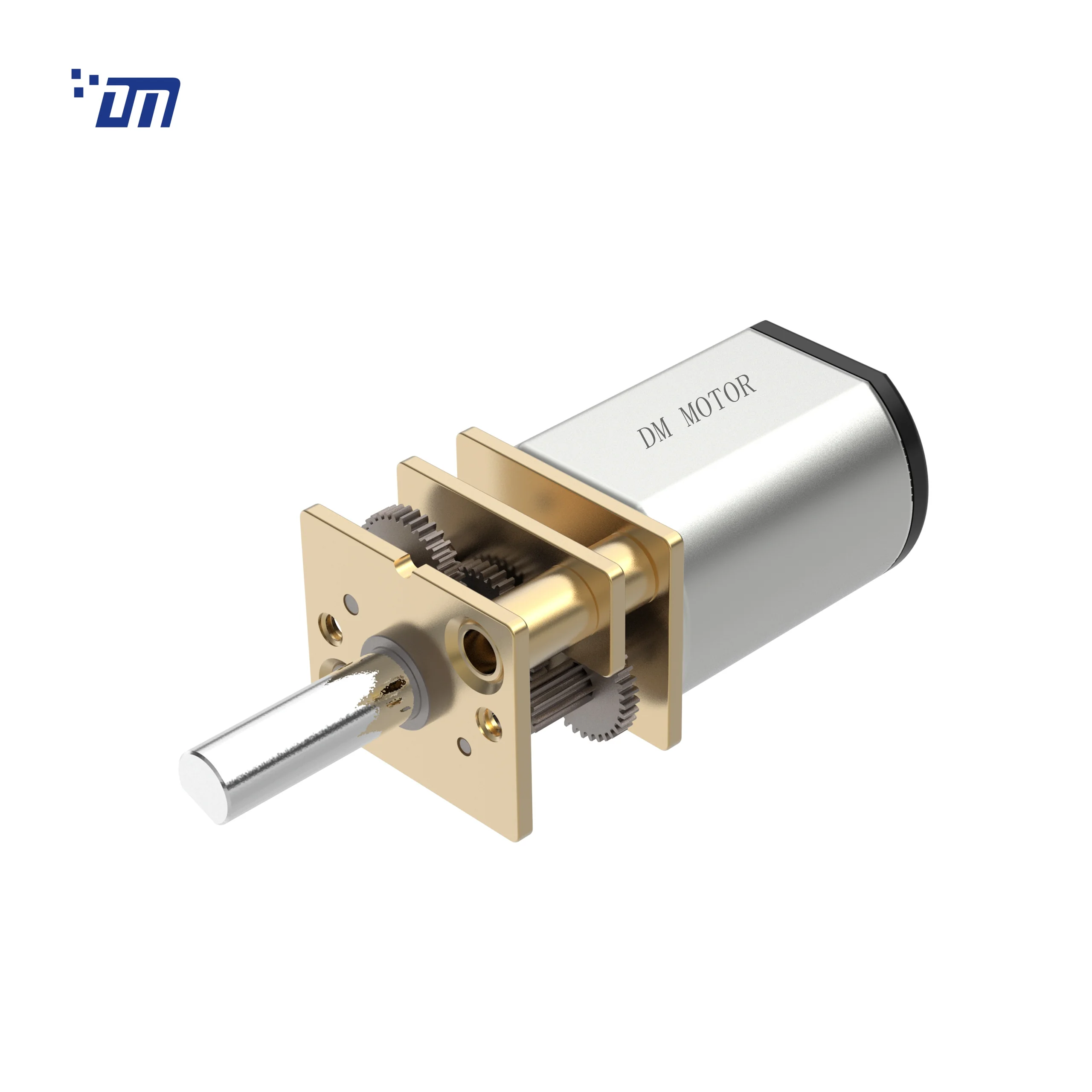
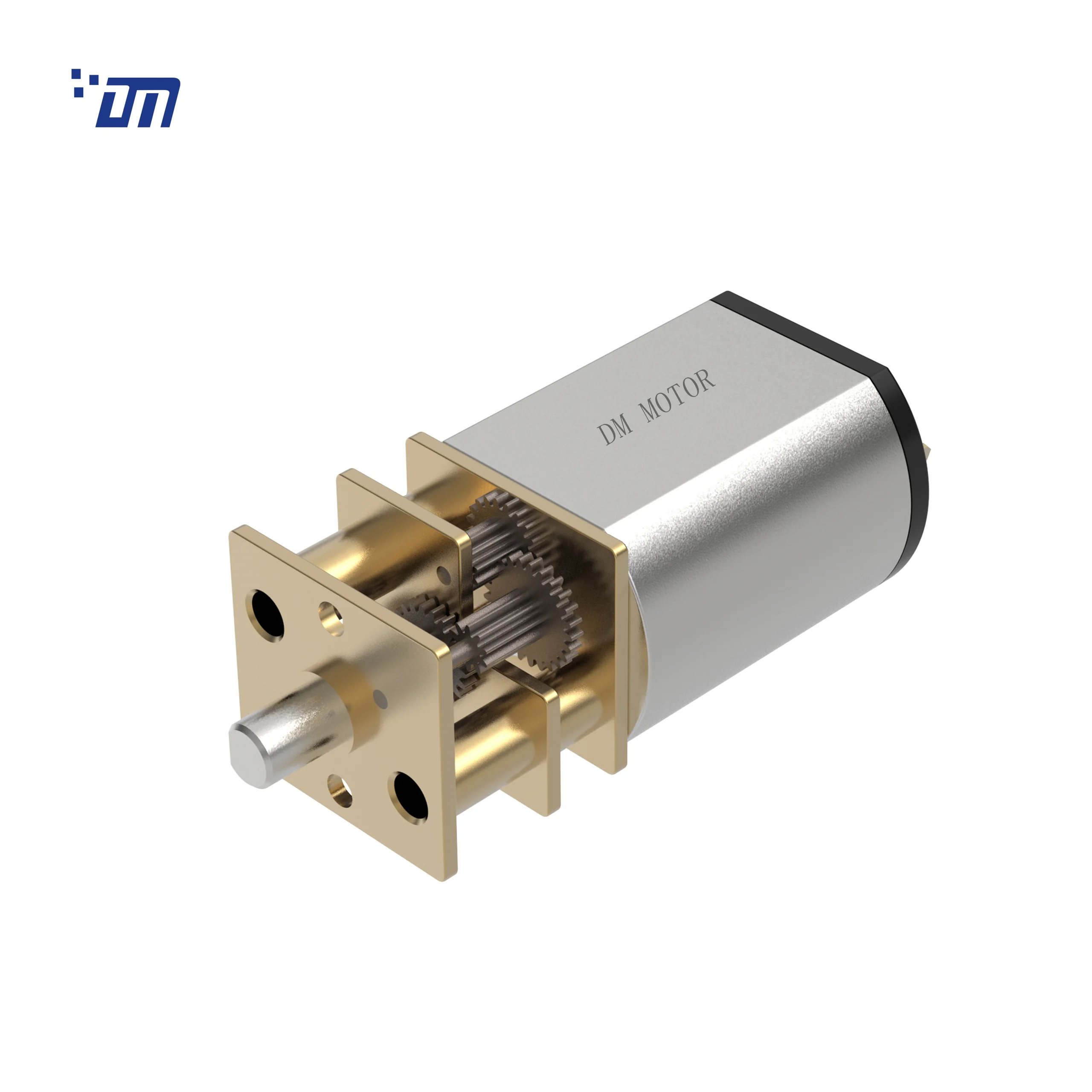 DM-13SM030
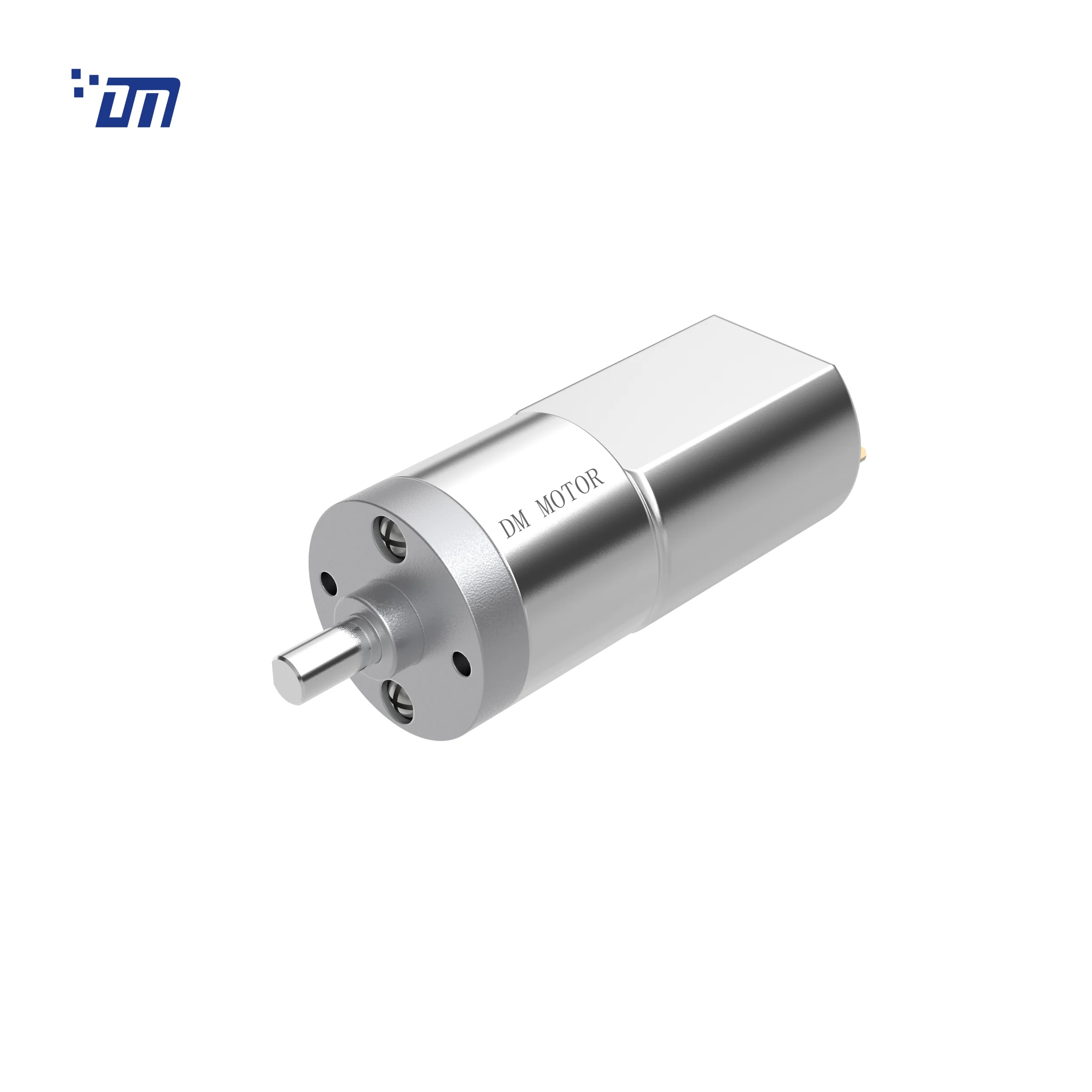 DM-20SM130
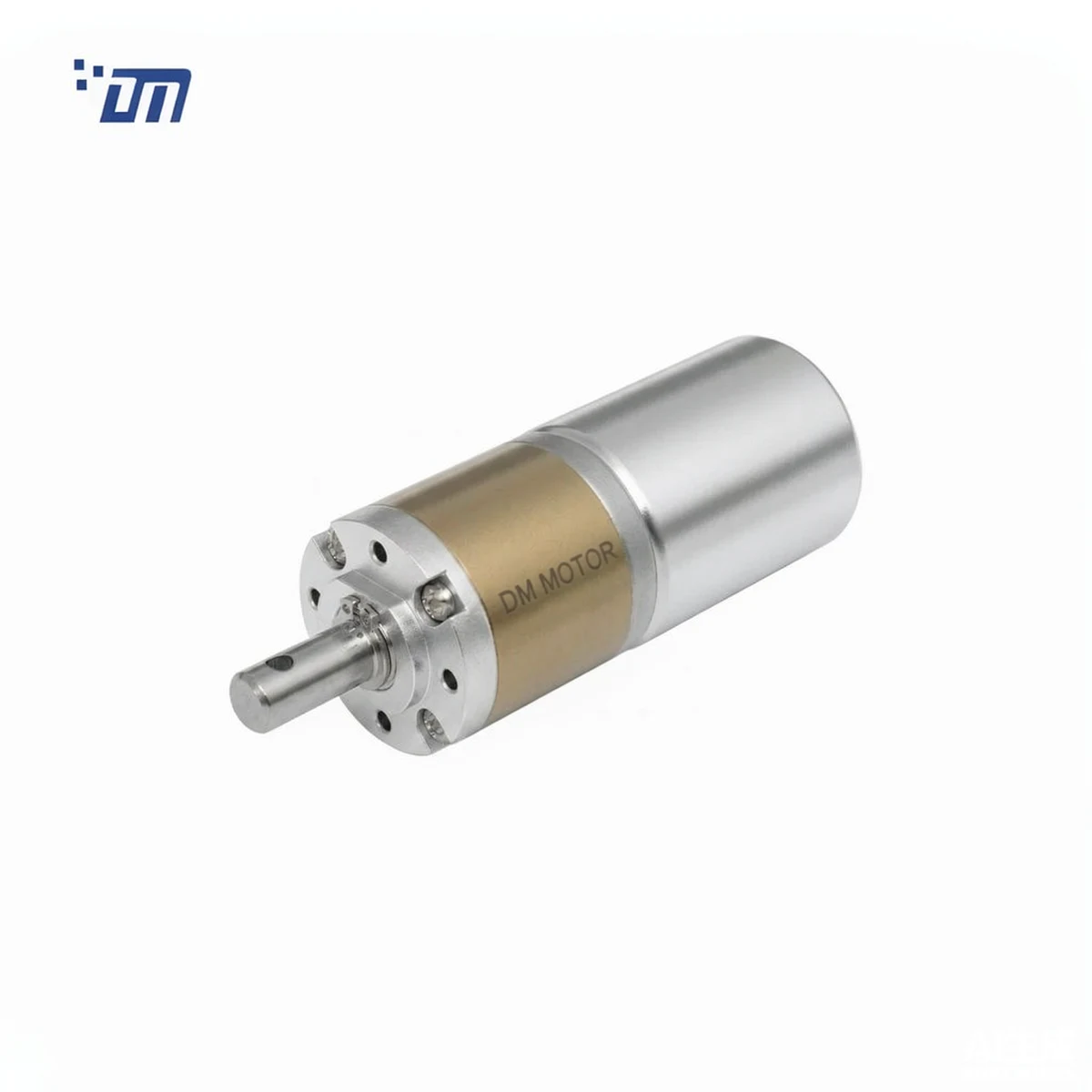 DM-24PBL2418
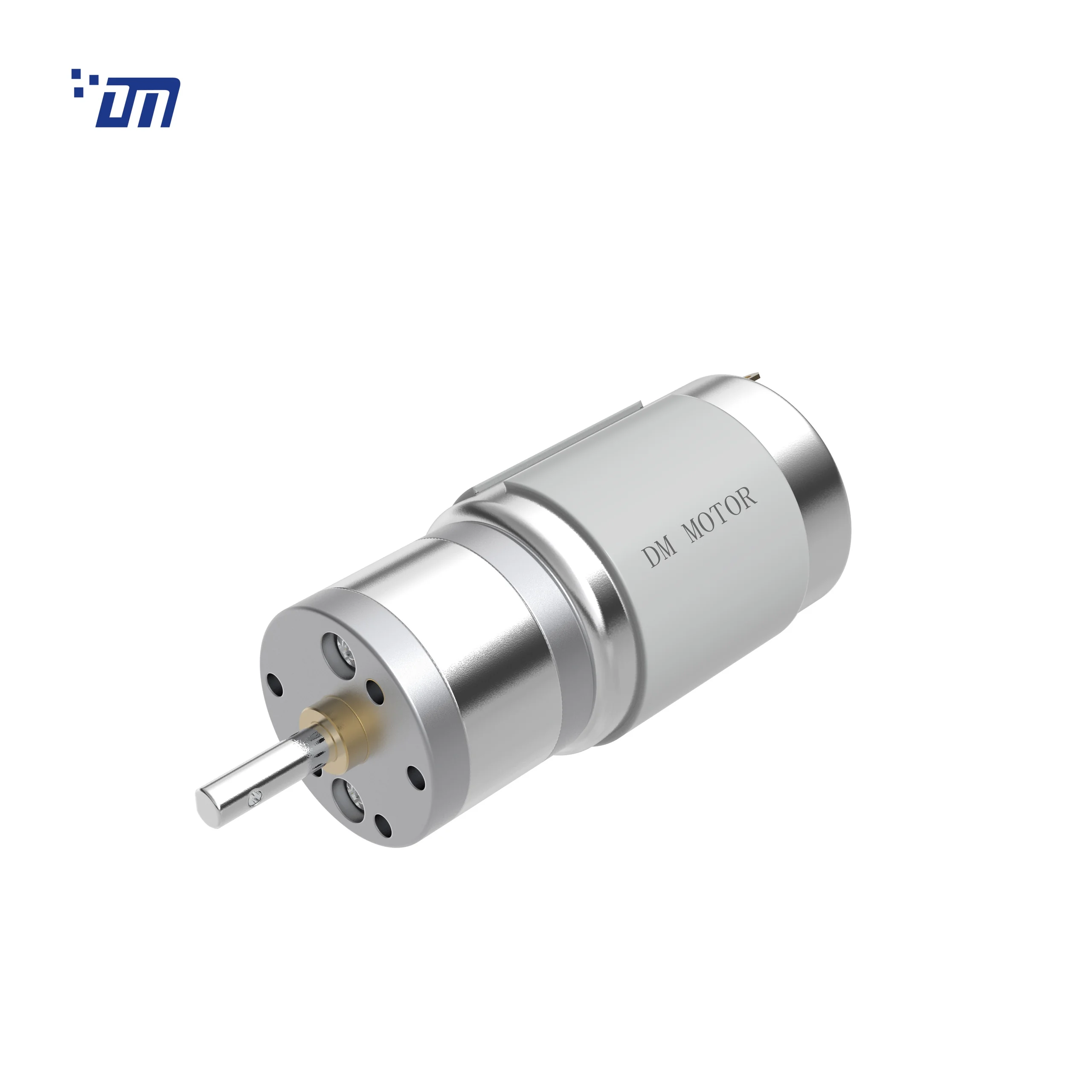 DM-25SM385