

Capsule Coffee Machine
Working principle of application product
Capsule identification and loading: The user puts the coffee capsule into the designated position, and the machine identifies the capsule type through the sensor.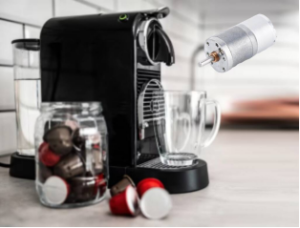
Water flow control: The motor drives the water pump to pass the hot water through the capsule at the set pressure and temperature to extract the coffee.
Automatic brewing and discharge: The motor controls the entry and discharge of water flow, and automatically stops after brewing is completed to ensure consistent coffee taste.
How our motor works on the product
Driving the water pump: The motor is decelerated through the gear box and drives the water pump to deliver hot water at precise pressure and flow.
Precise control: The motor cooperates with the controller to accurately control the water flow rate and brewing time according to the capsule type and user settings.
Energy-saving operation: The motor stops quickly after brewing is completed to reduce energy consumption.
Recommended motors
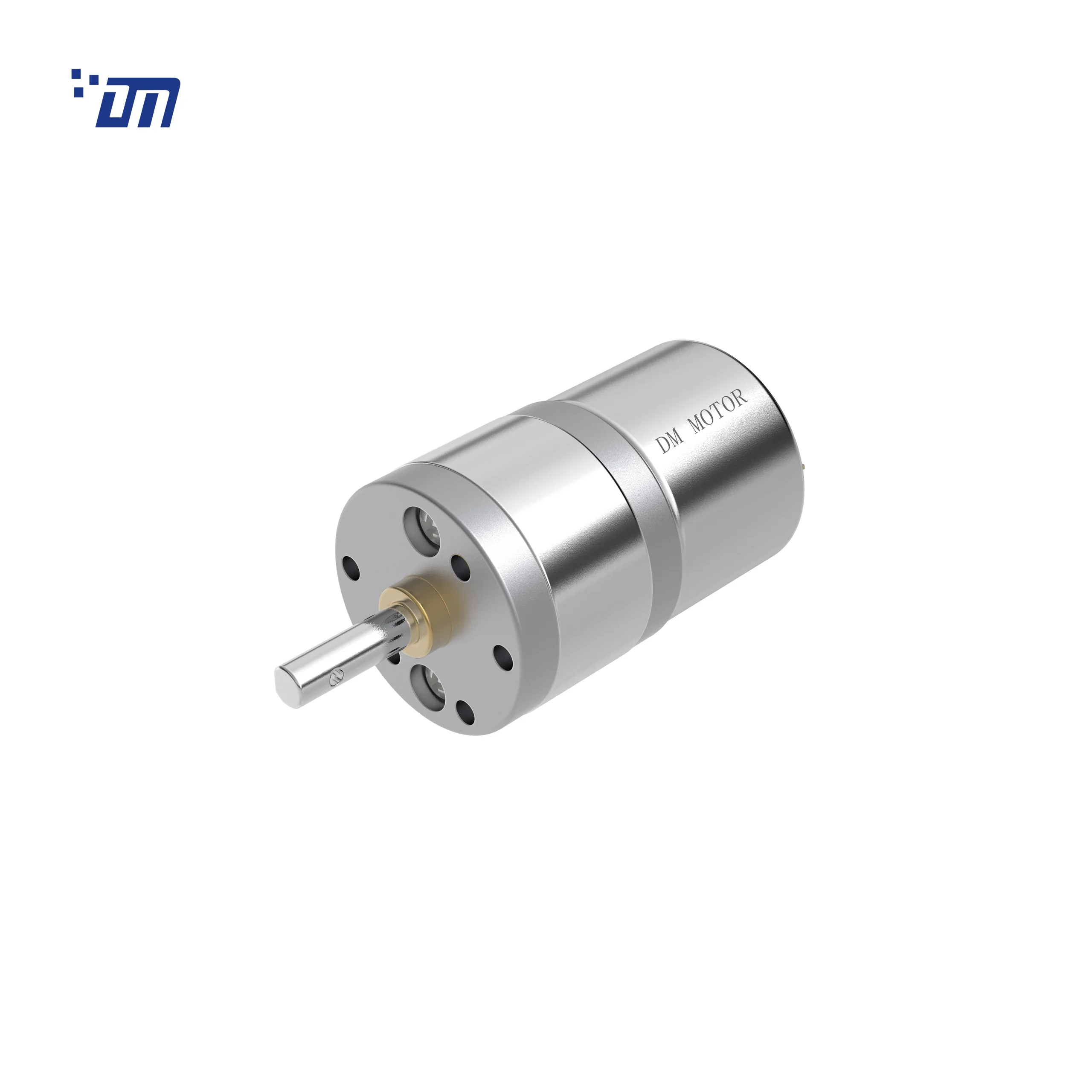
DM-25SM310: low noise, high precision, suitable for compact space.
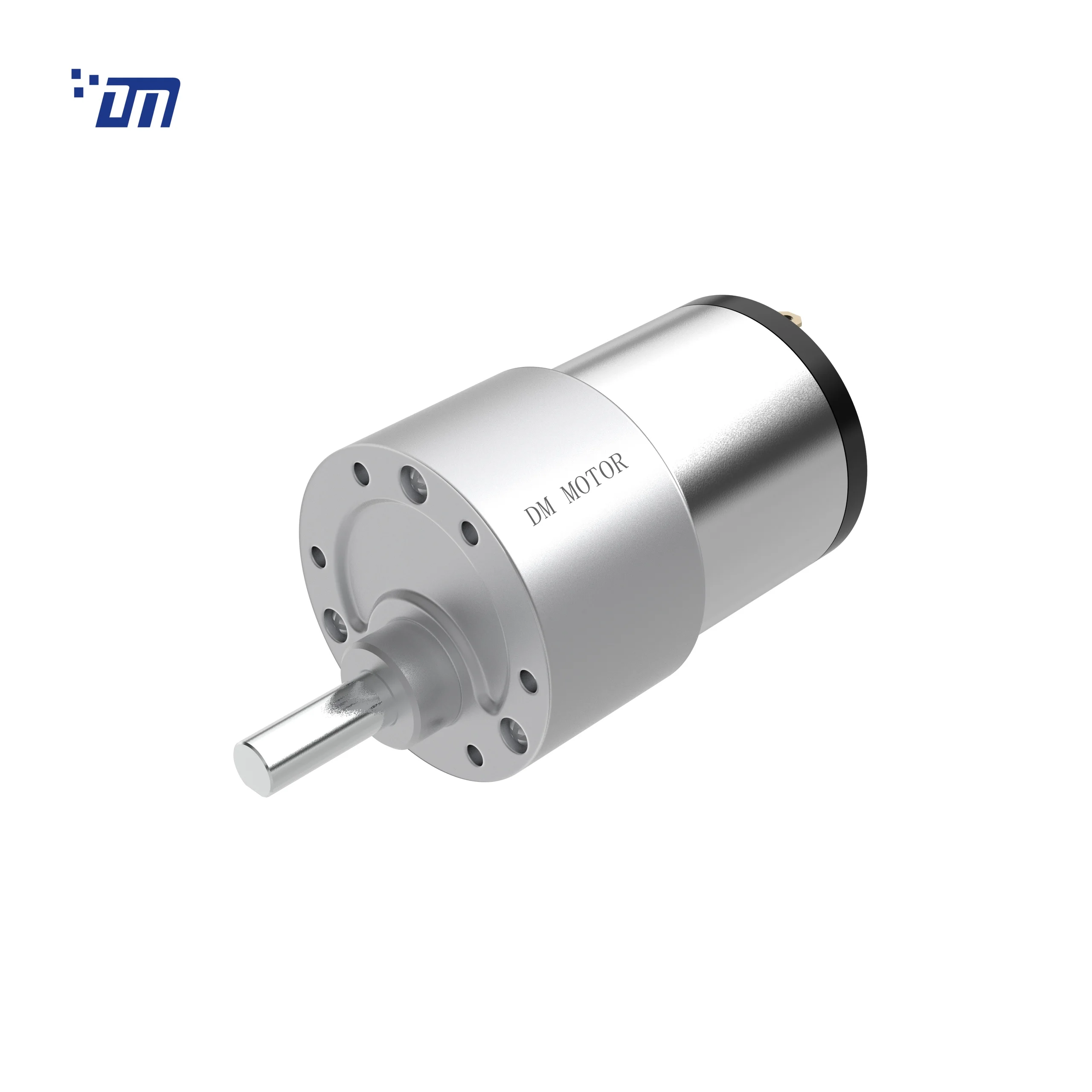
DM-37SM528: moderate torque and speed, suitable for stable water flow control.
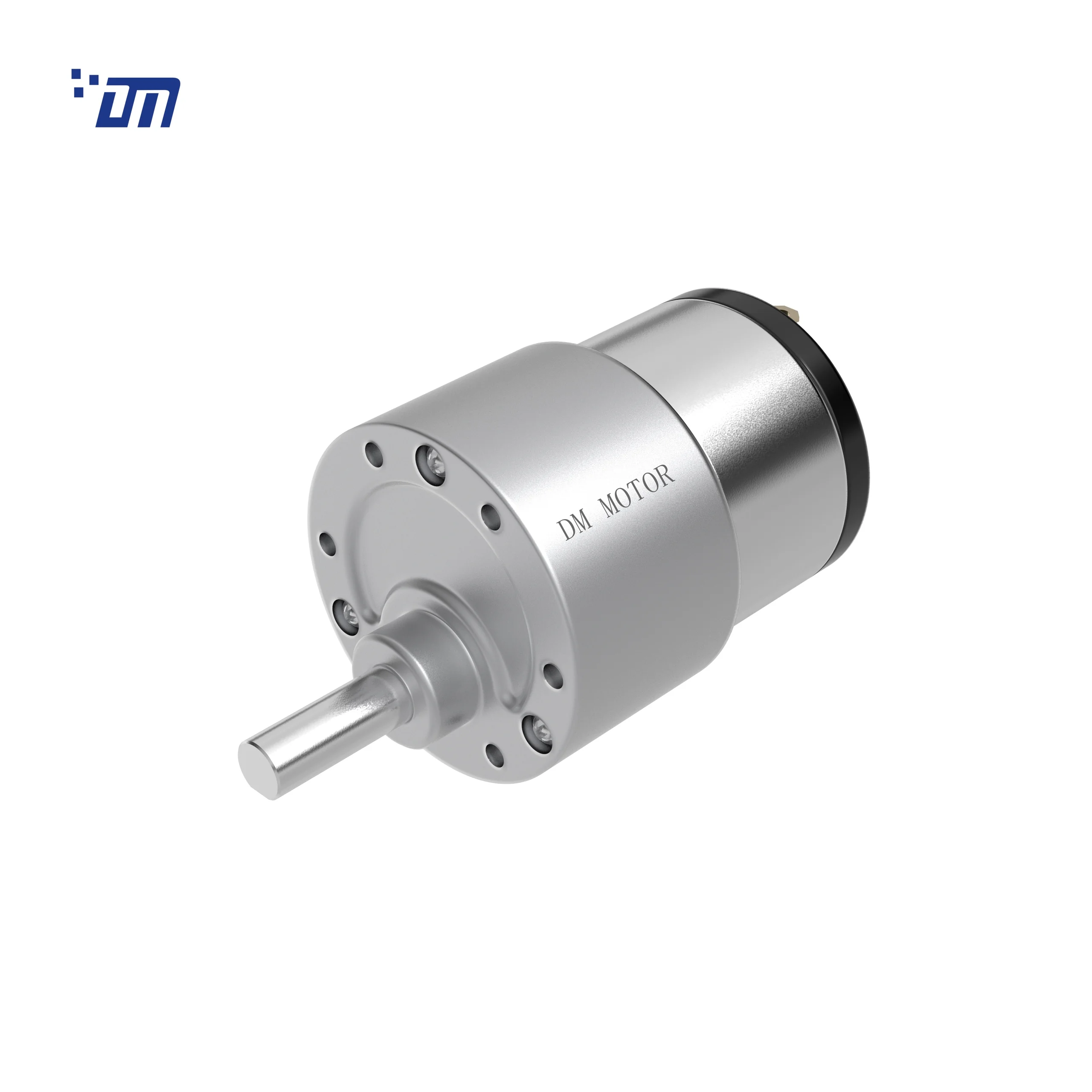
DM-37SM528: High torque, low speed, suitable for high-precision brewing needs.
Advantages of our motor used in this product
High precision and reliability: ensure accurate water flow control, consistent coffee taste, and reduce maintenance costs.
Low noise operation: provide a quiet use environment and enhance user experience.
Compact design: suitable for the limited space of capsule coffee machines without affecting performance.
Energy saving and high efficiency: reduce equipment operating costs and meet environmental protection requirements.
Below: the engineering behind this application, and which of our frames cover it.
A capsule machine asks for torque in a very short burst
The motor in a capsule coffee machine does most of its work in two seconds: piercing the capsule, closing the brew chamber, and holding it closed while pump pressure builds. The rest of the cycle it does nothing. That duty profile — very high torque for a very short time, then idle — is what makes this application easy to get wrong, because a motor sized on continuous torque will be too small and a motor sized on peak torque will be oversized and noisy.
The second duty, on machines with an automatic capsule ejection or a motorised drip tray, is a small movement repeated thousands of times. It fails for different reasons: not torque, but cycle life and the pivot getting sticky with coffee residue.
The piercing force is a peak, not a continuous load
Piercing a capsule takes a defined force over a short travel, and the motor sees it as a torque spike at low speed. The design question is whether the gearbox can pass that spike repeatedly without fatigue on the first stage, and whether the drive can deliver the current without collapsing the supply — a coffee machine shares its rail with a pump and a heater, both of which draw far more than the motor.
Holding the chamber closed during extraction is the opposite case: low torque, but it has to be held for twenty seconds while the pump pushes back. A gearbox with too much back-drive lets the chamber creep open and the capsule leaks.
Parameters that decide the part
- Peak torque repeated thousands of times — fatigue on the first stage, not a one-off stall rating.
- Holding torque during extraction — the pump pushes against the closed chamber for the whole brew.
- Supply interaction — the motor and the pump share a rail; a brownout during piercing shows up as a failed capsule.
- Noise in a domestic kitchen — a grinder or brew motor at 6 am is judged harshly.
- Water and steam exposure — sealing and lubricant choice, even though the motor is not meant to get wet.
- Cycle life of the ejection mechanism — thousands of small moves, so a slipping clutch or a retry strategy protects the gearbox.
Failure modes on capsule machines
Capsule not pierced on the first attempt. Peak torque delivered at a supply that has sagged under heater load. Size the piercing torque at the lowest rail voltage, not nominal.
Chamber leaks during extraction. Back-drive under pump pressure. A higher ratio, or a worm stage, holds better than a low-ratio spur unit of the same size.
Ejection jams after a few months. Coffee residue on the pivot. Design for the dirty condition and add stall detection, rather than relying on a bigger motor.
Motors we build for brew and ejection duties
The 25 mm to 37 mm frames cover this range, and the ejection mechanism can usually share the same frame at a lower ratio. Figures are from the current datasheets.
- DM-25SM310 — 25 mm, 3-12 VDC, 3-800 RPM, 0.08-2.5 kg.cm
- DM-37SM528 — 37 mm, 6-24 VDC, 2-900 RPM, 0.5-26 kg.cm
- DM-36PM545 — 36 mm, 12-24 VDC, 3-1500 RPM, 1-50 kg.cm
Grinder motors are a separate duty with much higher speed and a short, heavy load; if your machine grinds, tell us at the enquiry stage so both duties are quoted together.
Questions from coffee machine manufacturers
Can the gearbox take the piercing spike repeatedly? We will quote the breaking torque and discuss the expected cycle count, so the answer covers fatigue rather than a single event.
Does the motor brown out when the heater switches on? That is a drive and supply question as much as a motor one; give us the rail behaviour and we will specify against the worst case.
Can you supply the grinder and brew motors matched? Yes, from one catalogue, which keeps the approval documents and the incoming inspection to one supplier.
Related Products
 DM-25SM310
 DM-37SM528
 DM-37SM520
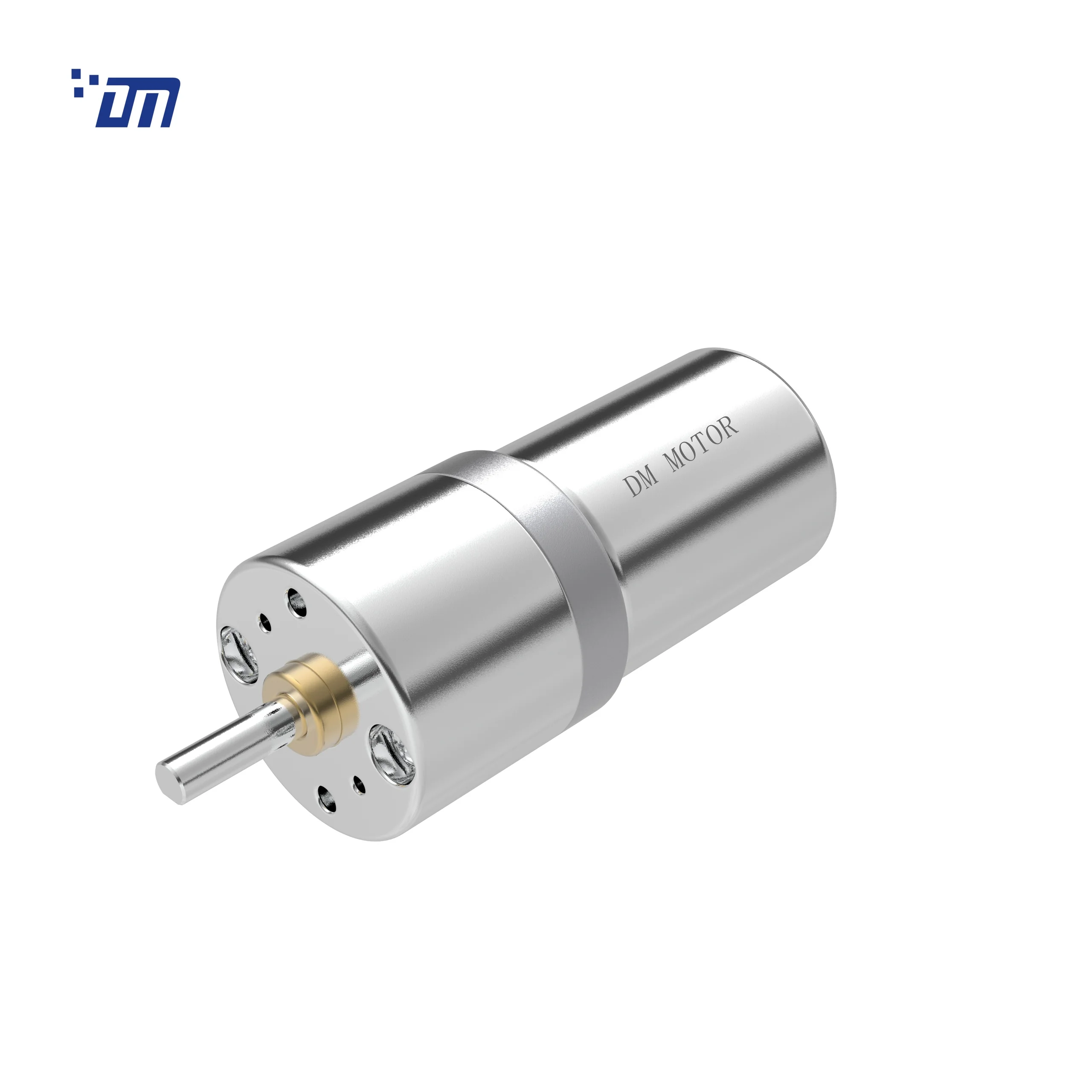 DM-27SM370
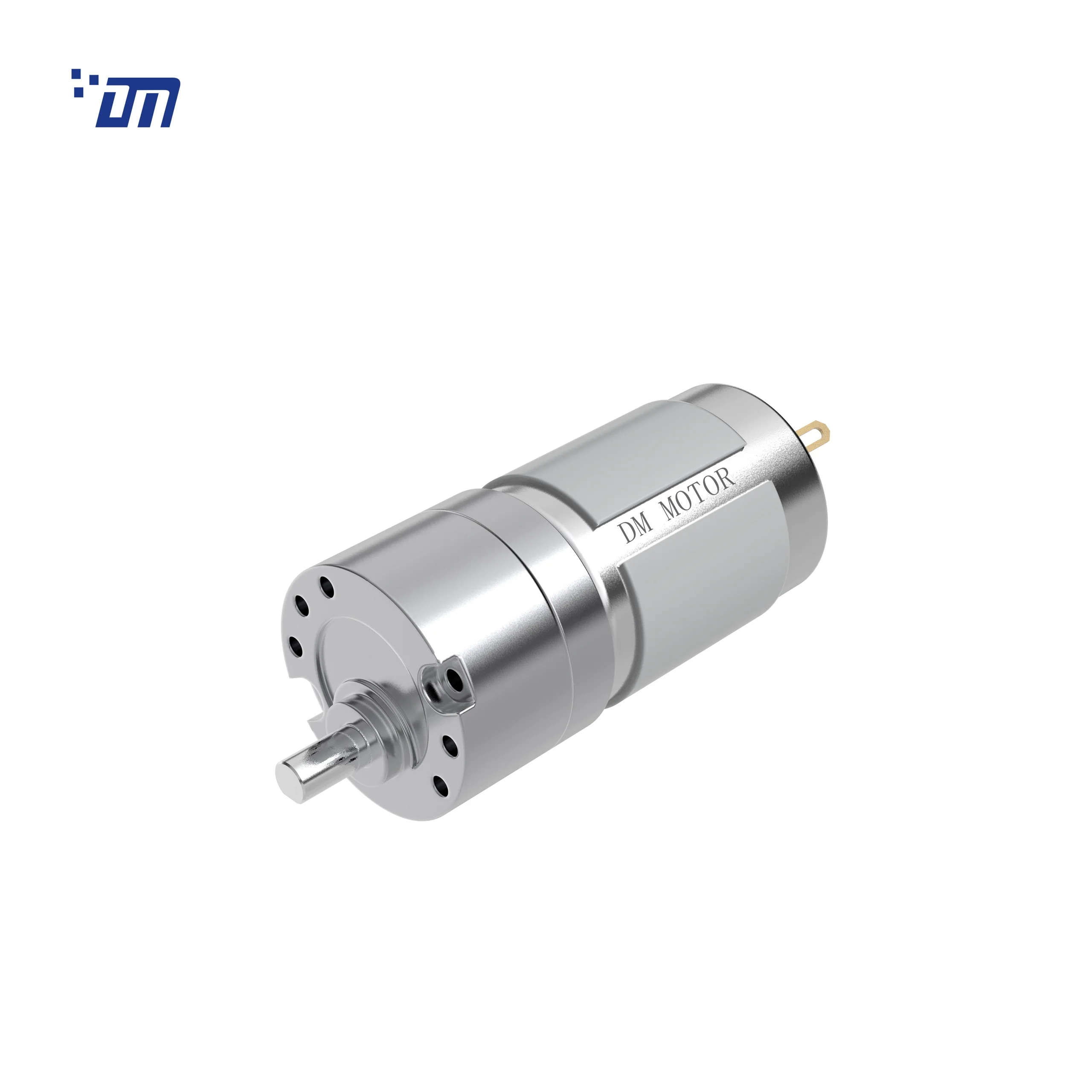 DM-30SM385